
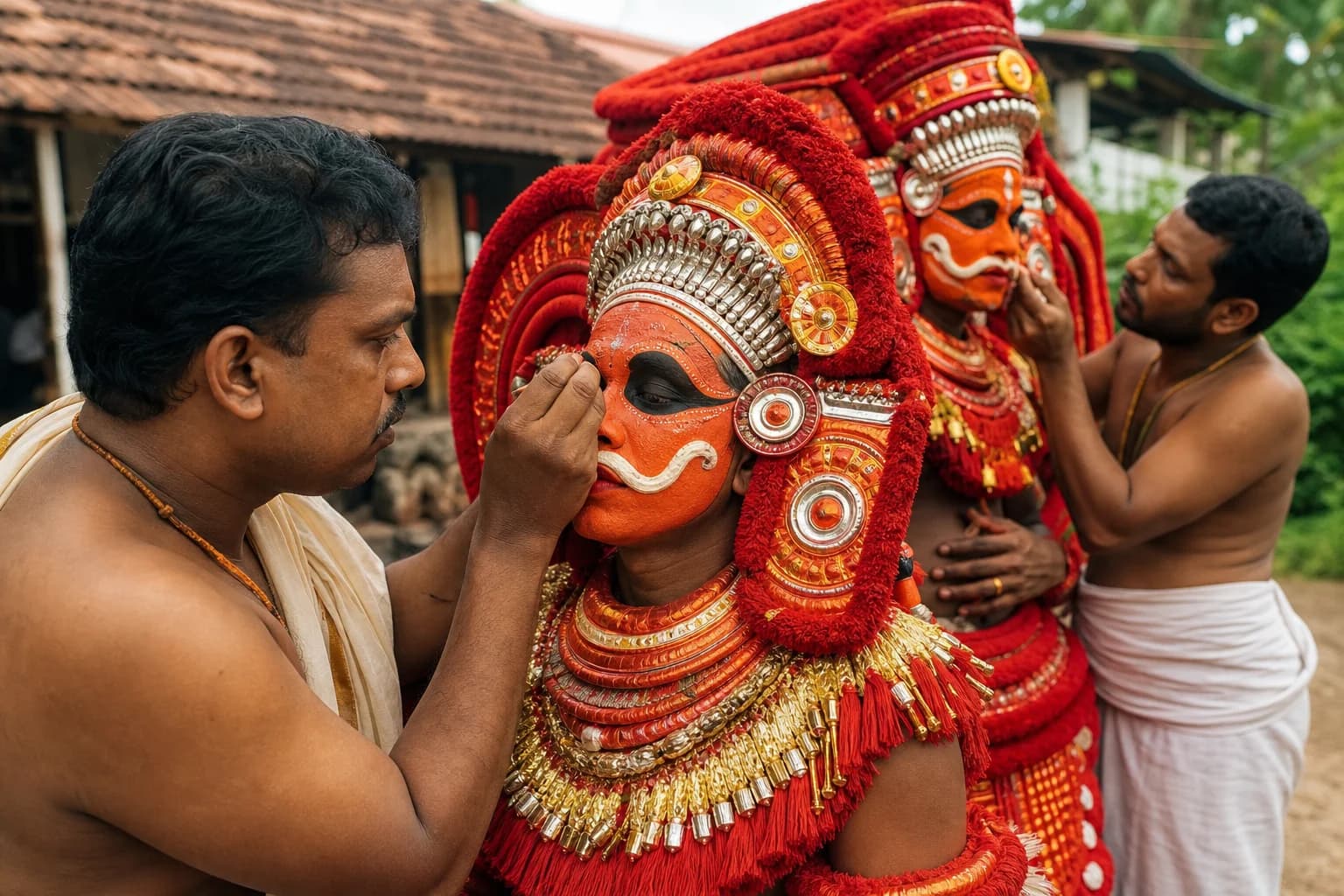
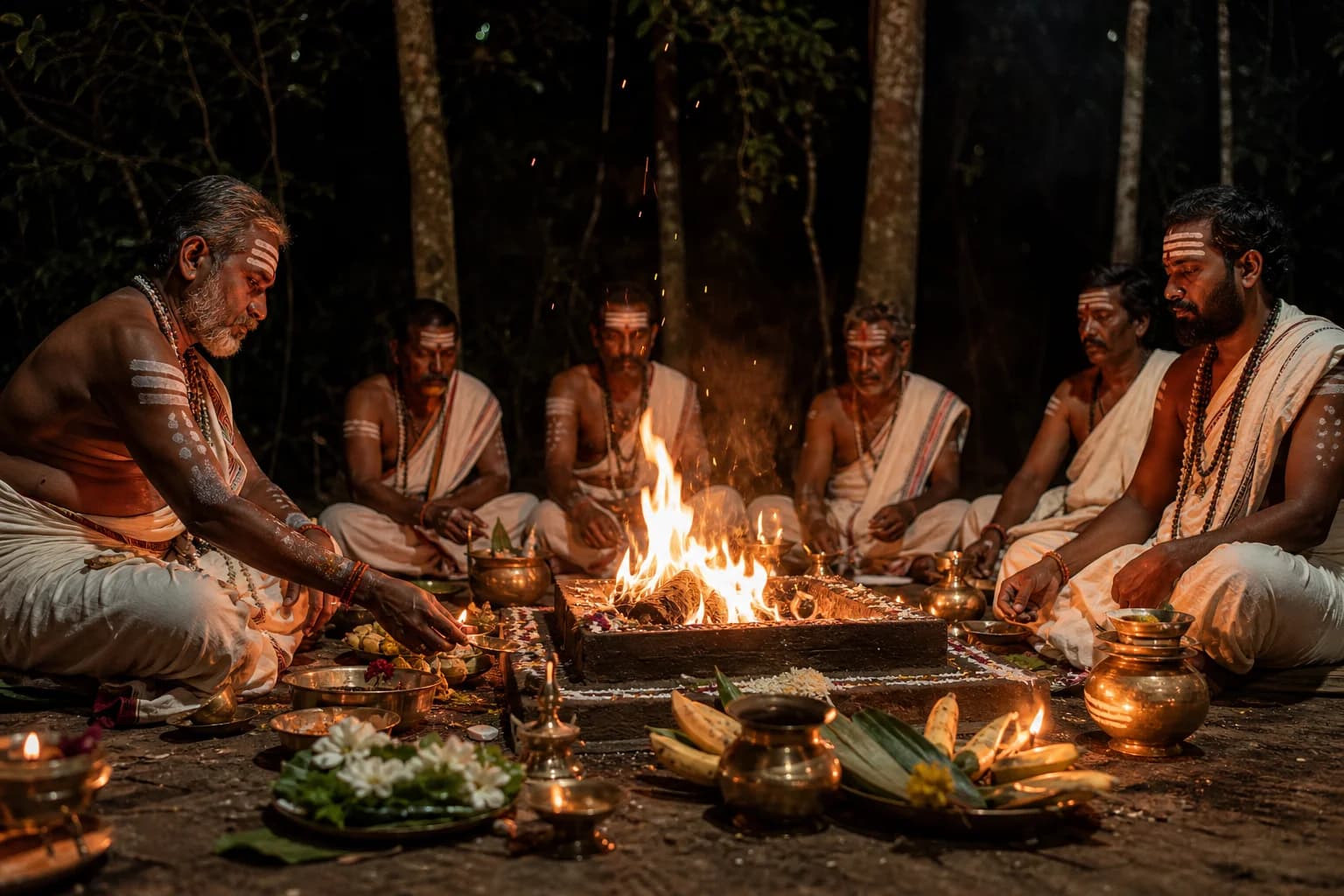
Preserving Heritage. Keeping It Alive.
Uddharsha Foundation works to strengthen India's tangible and intangible heritage by supporting preservation, documentation, transmission, community participation and responsible engagement with the places, practices, knowledge and traditions that shape our cultural identity.
Heritage Is More Than What We Inherit. It Is What We Continue.
Heritage lives through the relationship between places, people, knowledge, practices and memory — spanning both what can be touched and seen, and what is carried forward in living practice.
Tangible Heritage
Intangible Heritage
Five Dimensions of Heritage
Uddharsha's understanding of Heritage Preservation spans five interconnected dimensions — not separate categories, but parts of one continuous heritage landscape.
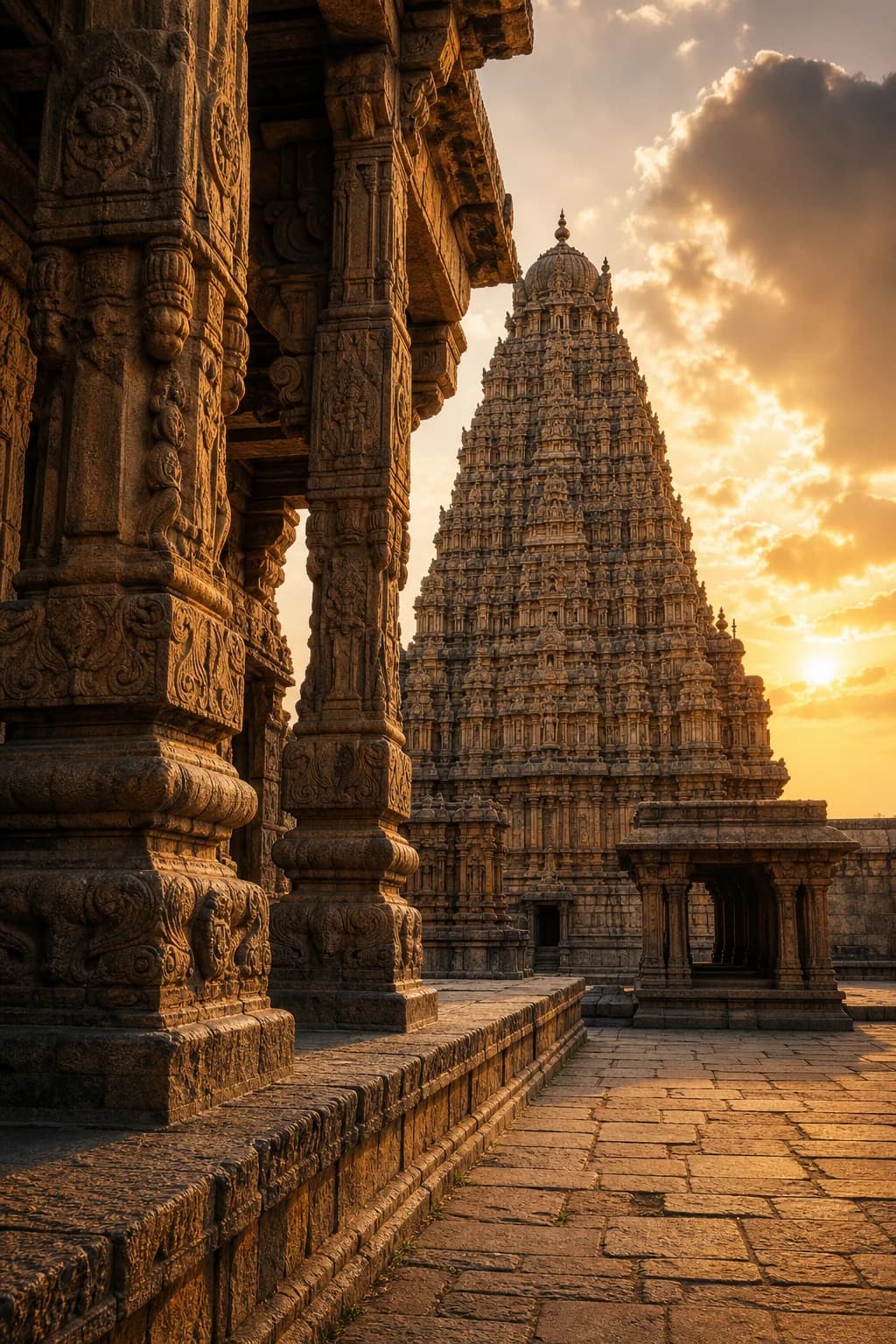
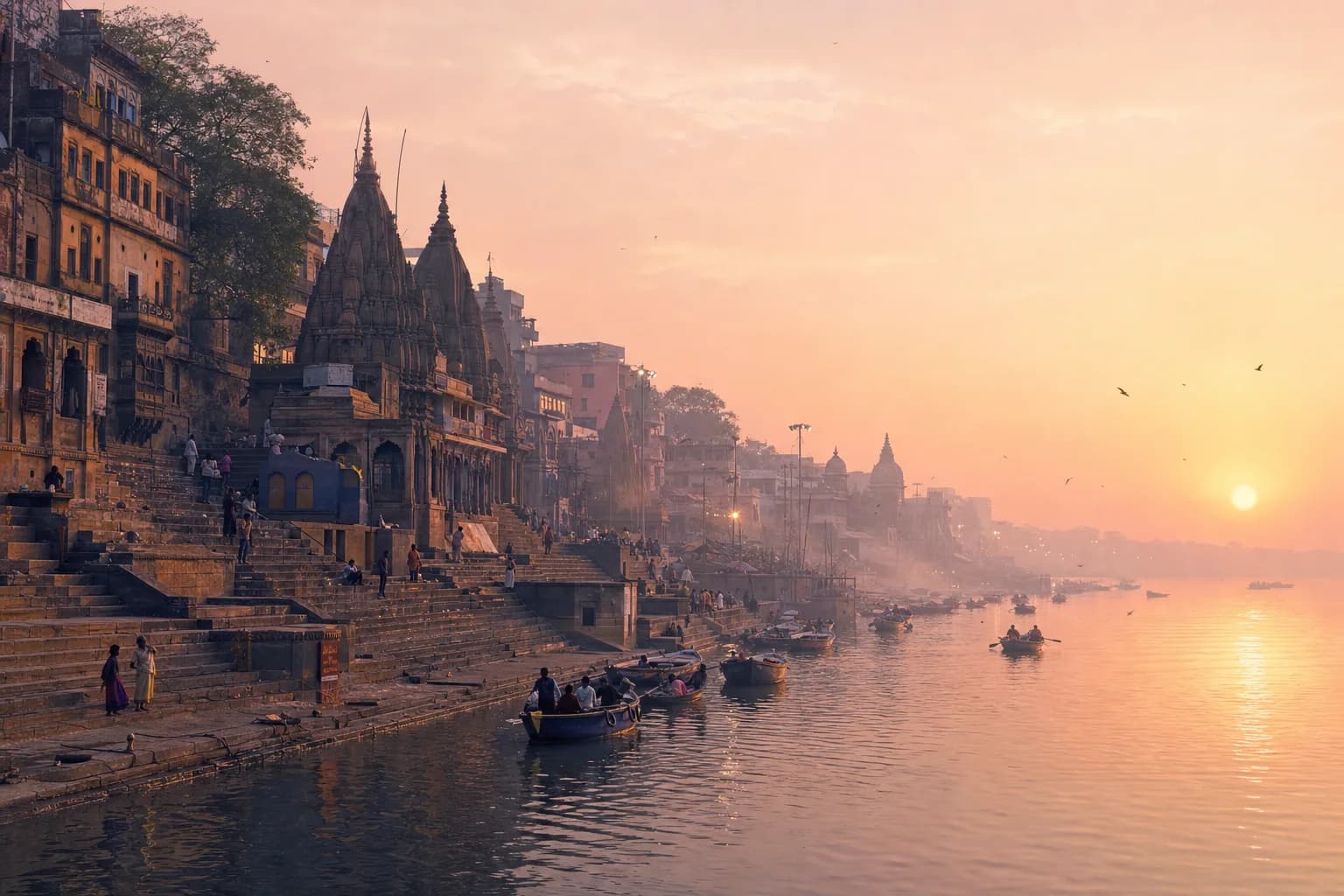
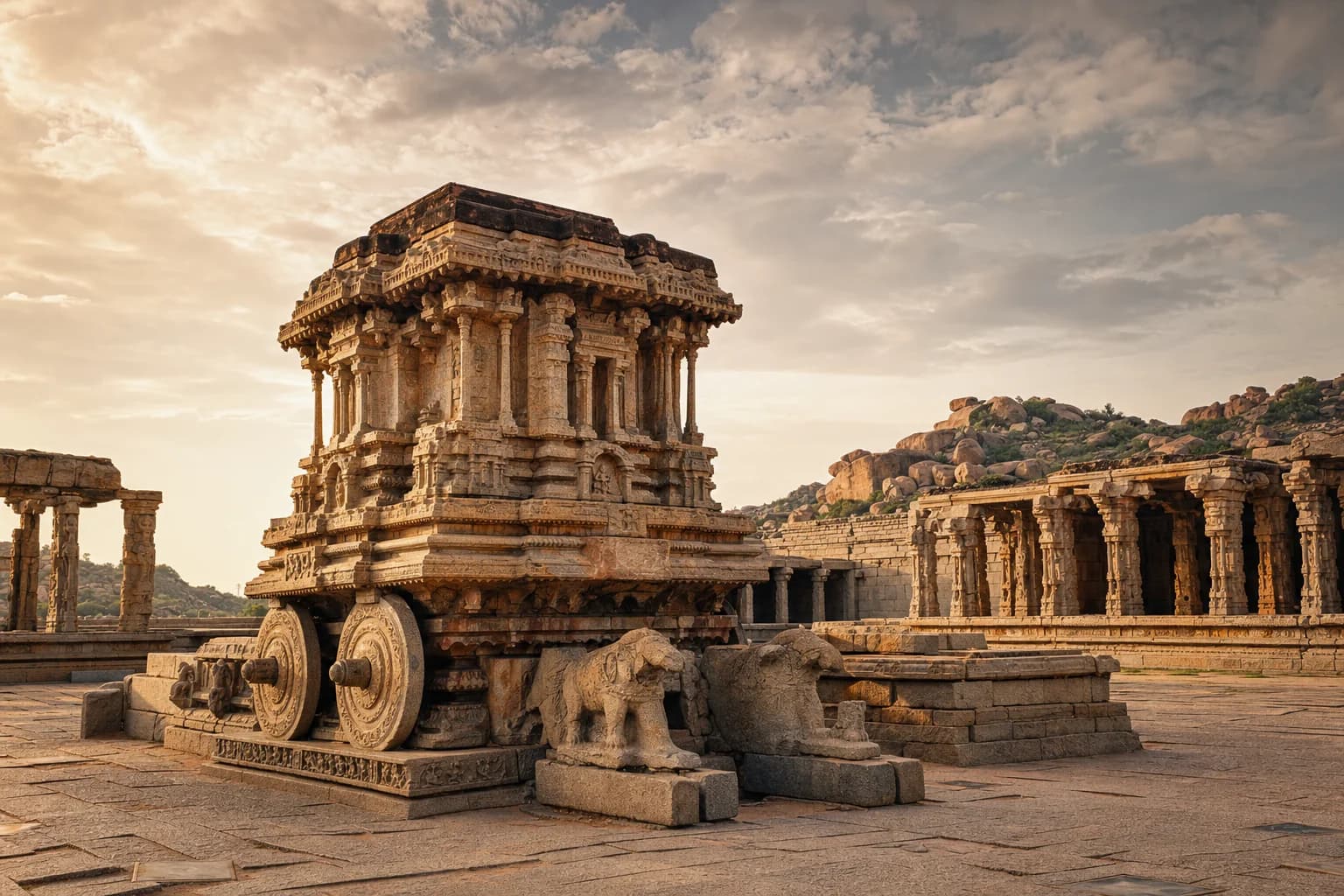
Built & Archaeological Heritage
Places and structures that carry historical, architectural, spiritual and cultural significance.
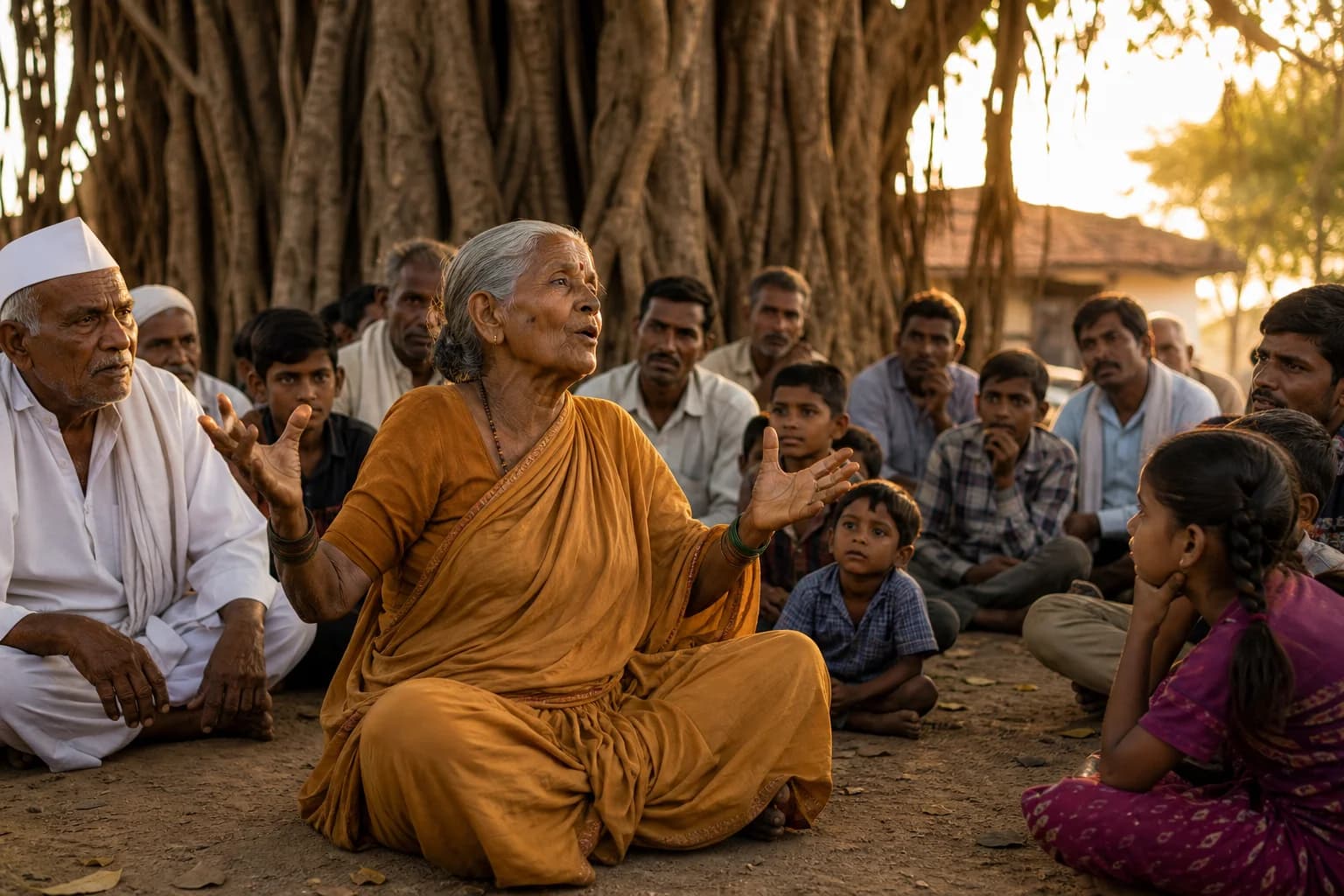
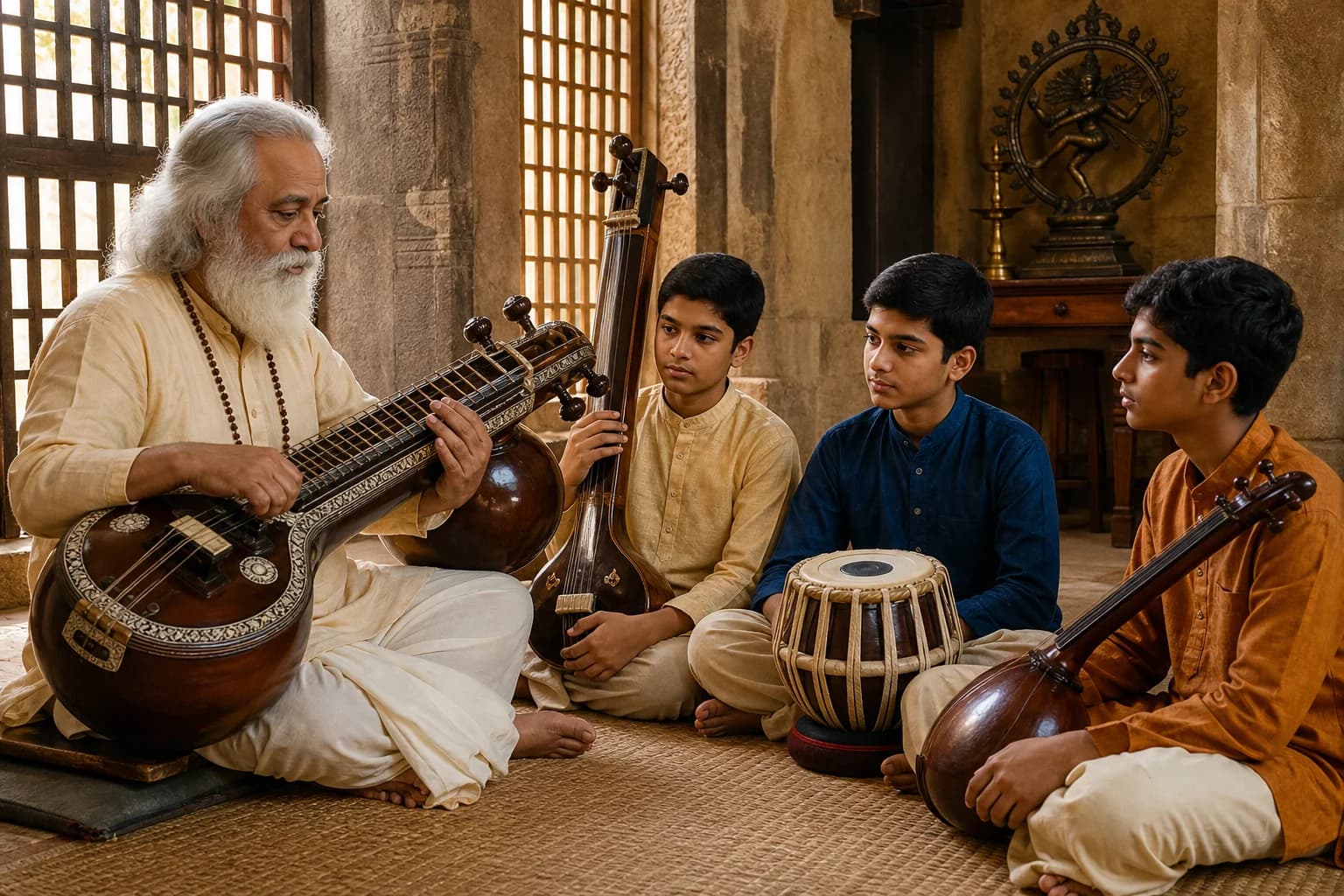
Living & Intangible Heritage
Knowledge, practices and expressions transmitted through people and generations.
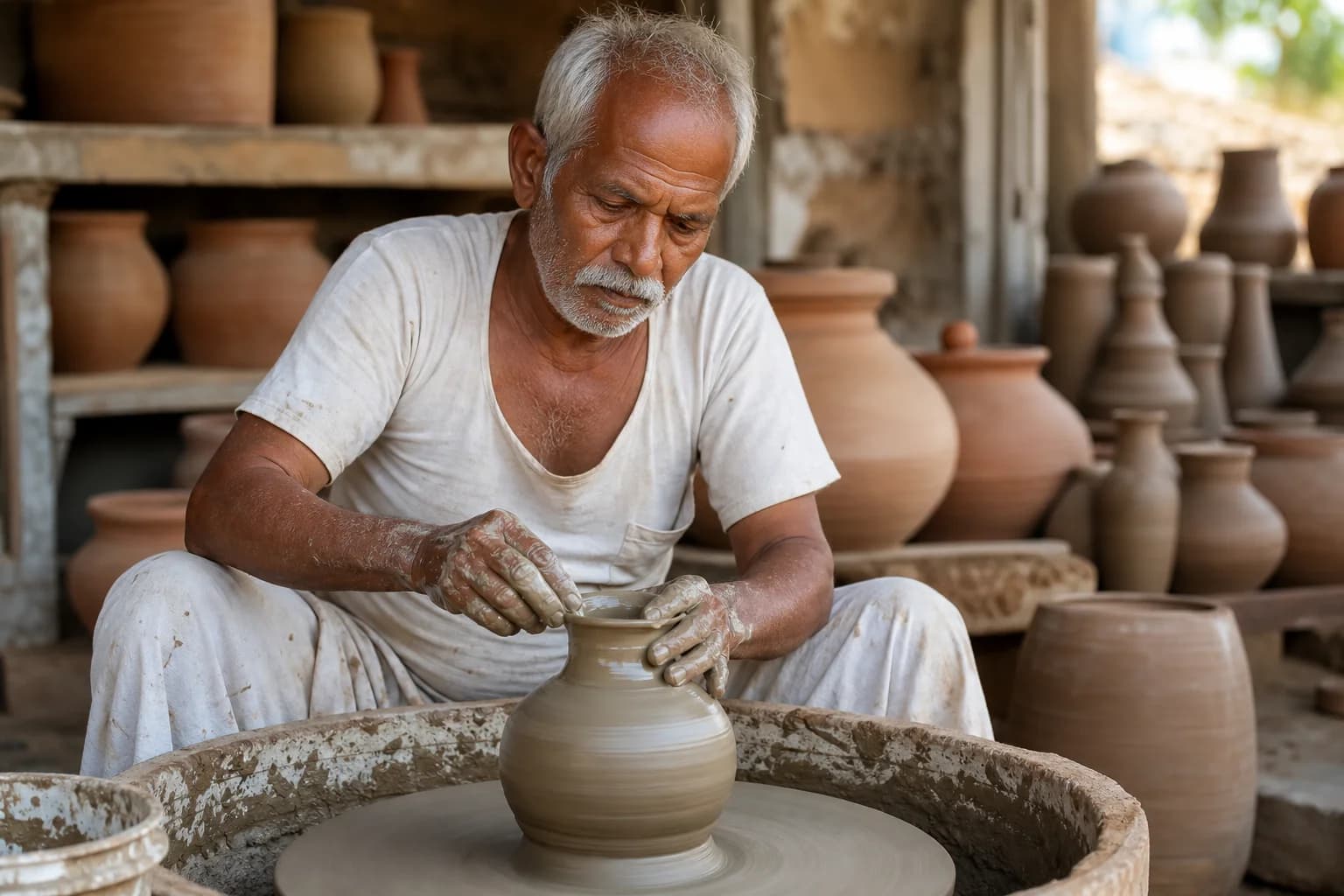
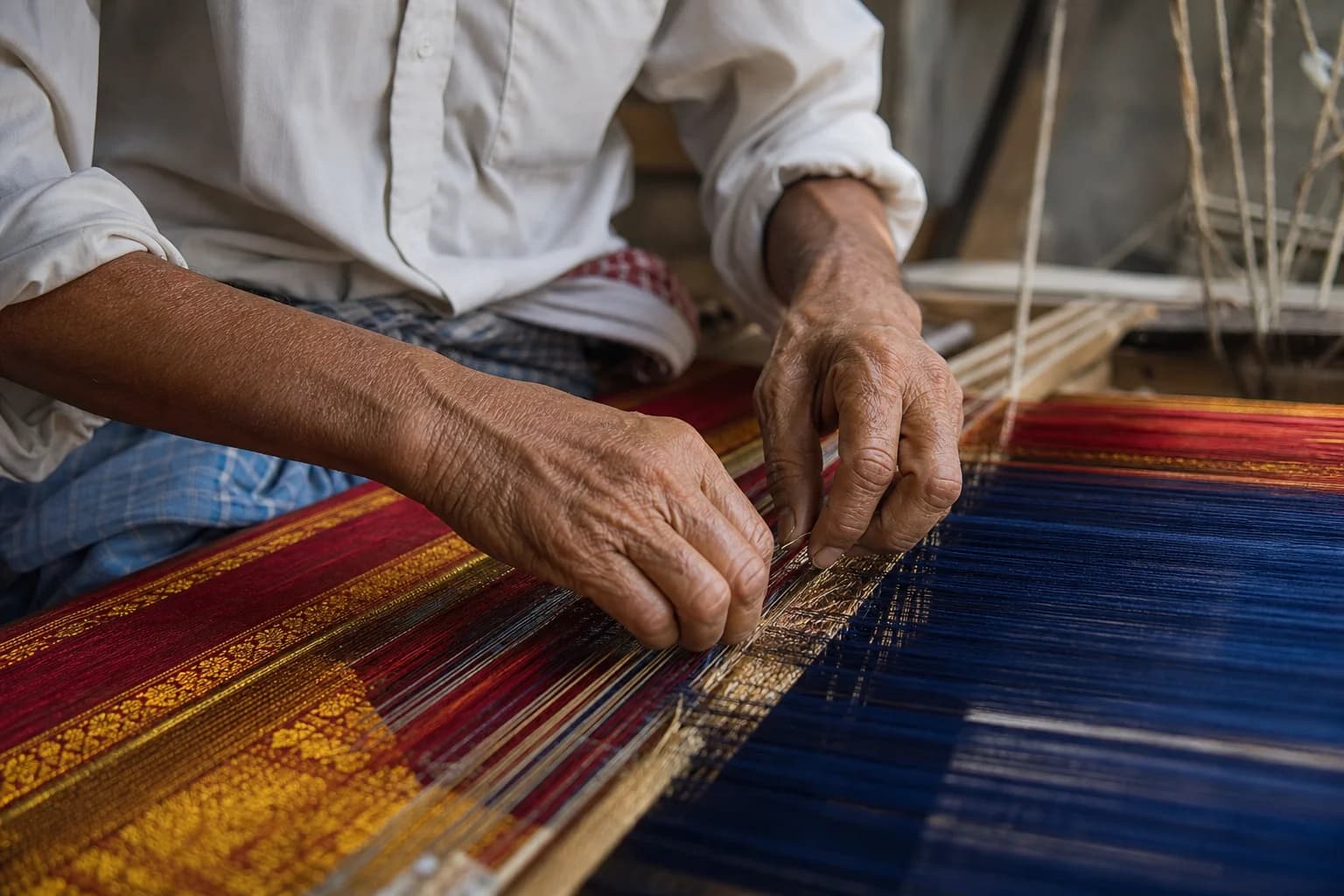
Crafts & Traditional Knowledge
Skills and knowledge carried through making, teaching, practice and community life.
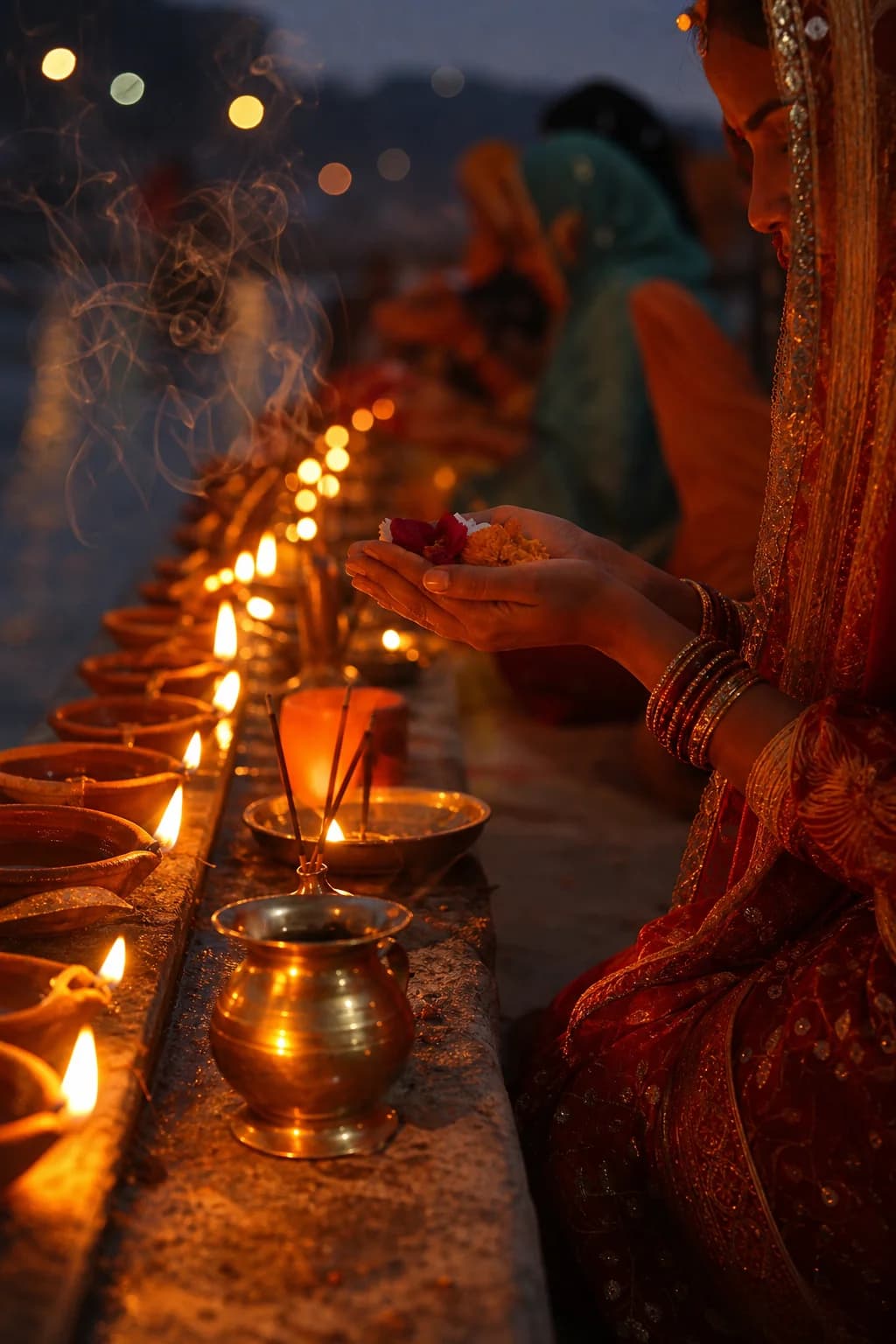
Cultural & Sacred Heritage
Places, practices, rituals and traditions through which communities express spiritual and cultural identity.
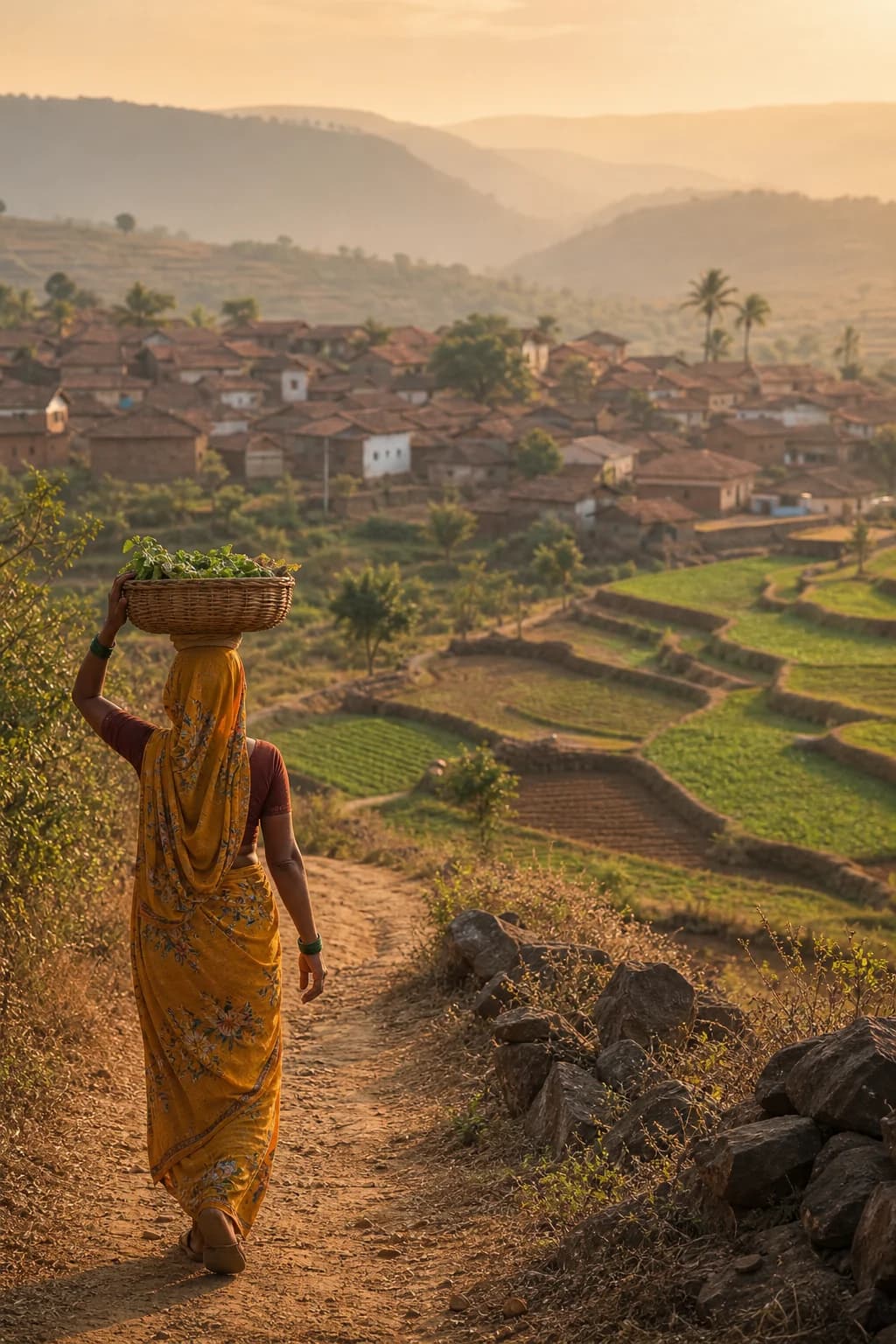
Food, Landscapes & Everyday Heritage
The everyday environments, knowledge and practices that connect people to place.
Heritage Gives Communities a Sense of Place, Memory and Continuity.
Heritage is significant first for what it means to communities — their identity, memory and continuity. Its value to education, participation and responsible tourism follows from that.
Preservation Is a Continuing Responsibility.
Conservation
Historic structures and heritage environments require sustained care, appropriate documentation and responsible management.
Documentation
Traditional knowledge, oral histories, practices and community memory need to be recorded and transmitted.
Transmission
Heritage survives when knowledge and skills move between generations.
Community Participation
Heritage preservation is stronger when communities are meaningfully involved.
Relevance
Heritage must remain understandable, valued and connected to contemporary life without losing its cultural integrity.
Preserve. Document. Connect. Sustain.
Preserve
Support the continued care and protection of heritage.
Document
Record knowledge, traditions, stories, practices and community memory.
Connect
Connect heritage with communities, education, cultural practitioners, responsible tourism and wider audiences.
Sustain
Create conditions for heritage to remain valued, practised and transmitted into the future.
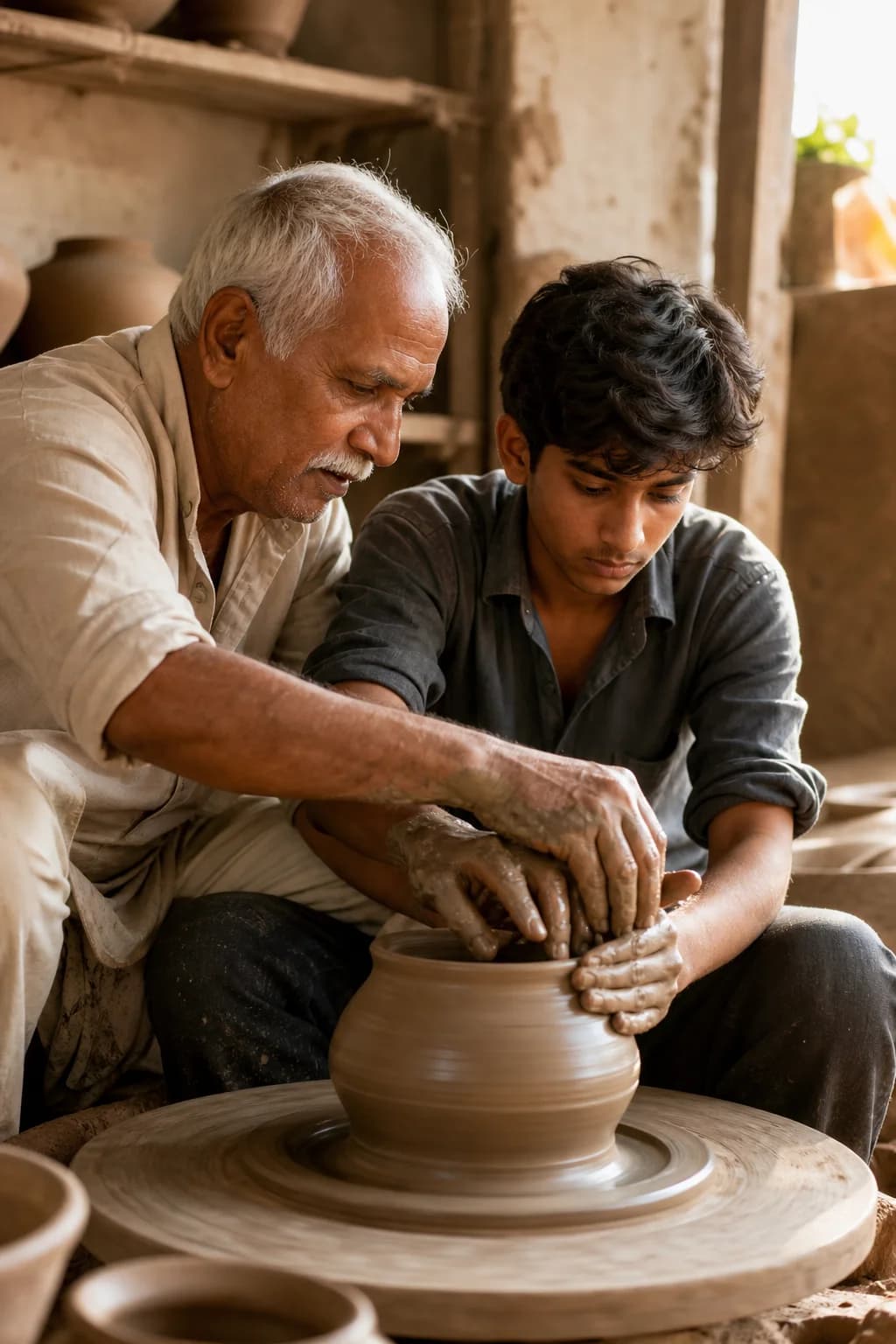
Heritage Is Not Frozen in the Past.
Preservation does not require culture to remain unchanged. Living heritage can retain its identity while continuing to be practised, interpreted and transmitted by new generations.
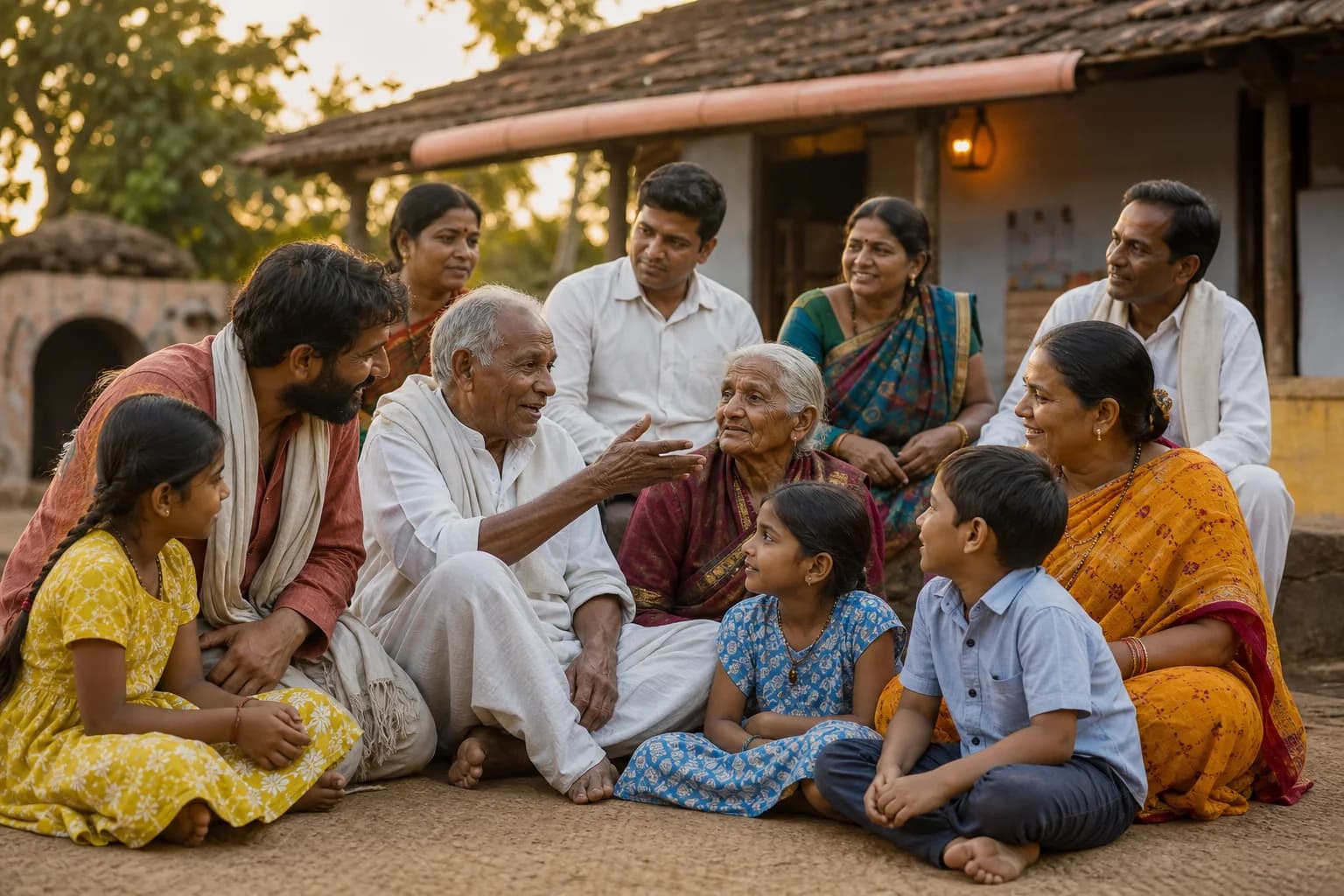
Heritage Lives Through People.
A heritage site, tradition or practice is sustained not only by structures and records, but by the people who know it, practise it, teach it and care for it.
Tourism Can Support Heritage — When It Is Done Responsibly.
Tourism should serve heritage and communities, not the other way around.
Explore Responsible & Regenerative TourismPreservation Needs People Who Know How to Carry It Forward.
Continuity depends as much on skills, education and community capacity as it does on the places and practices themselves.
Explore Skill DevelopmentHeritage Is Part of a Larger Cultural Ecosystem.
Heritage is interconnected with artistic expression, cultural practice, skills, communities and the way people experience places.
From Preservation to Practice.
Uddharsha translates its heritage work into programmes that support documentation, preservation, education, community participation, cultural transmission and responsible engagement.
Explore ProgrammesProtect What We Inherit. Strengthen What We Pass Forward.
Explore Uddharsha's work in heritage preservation and discover ways to learn, participate, collaborate and help keep living heritage connected to the future.